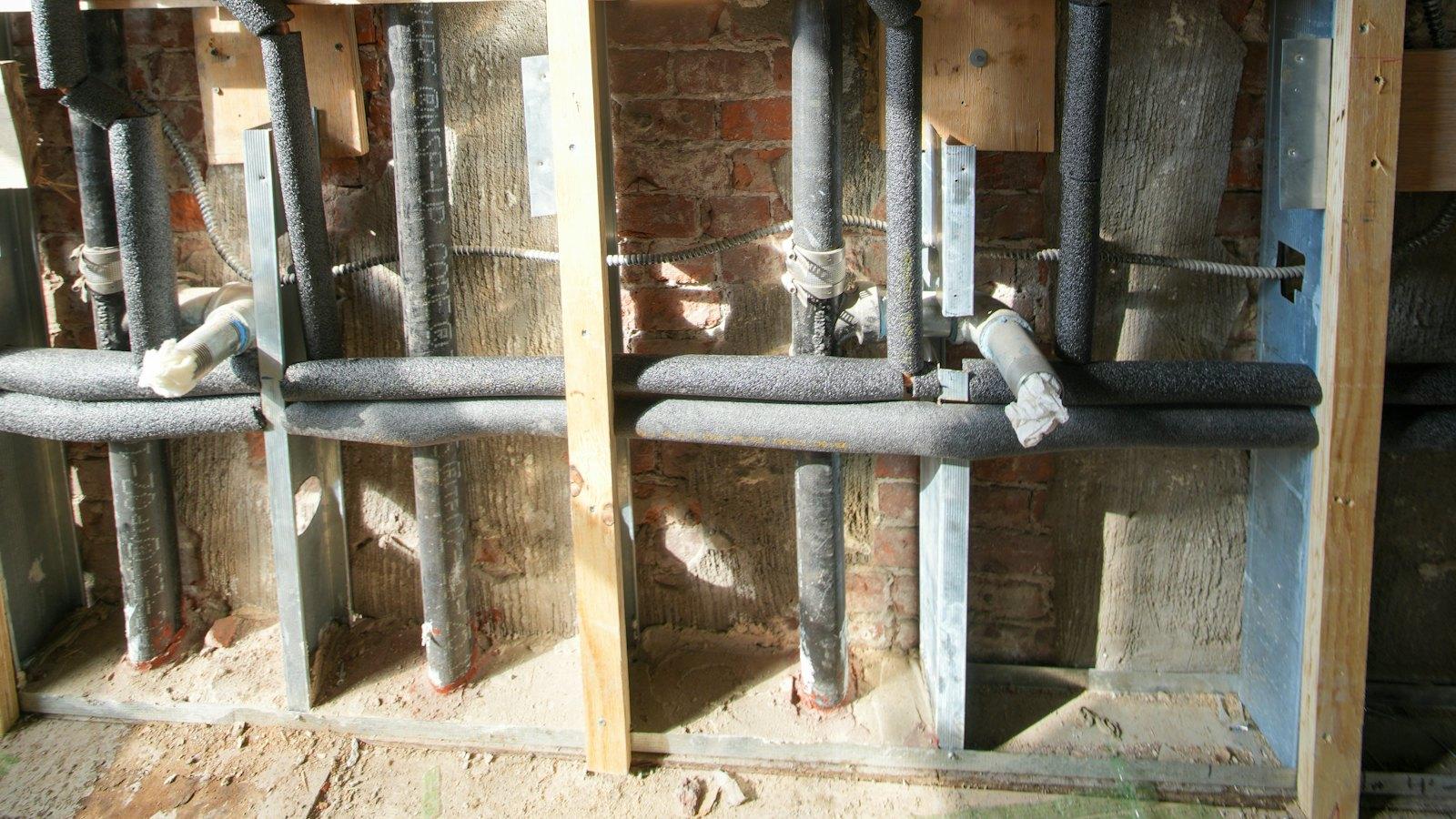
If you’re replacing the water lines in your house, the biggest decision is the pipe material. In Southern California, it almost always comes down to PEX (cross-linked polyethylene) or copper.
Both are approved by the California Plumbing Code and both perform well when installed correctly. The right choice depends on your home, your water, your budget, and your preferences. Here’s the honest comparison.
Side-by-side comparison
| Factor | PEX | Copper |
|---|---|---|
| Installation | Flexible, fewer fittings, faster install, smaller wall openings | Rigid, more fittings and joints, more labor |
| Cost | Generally lower material and labor cost | Generally higher material and labor cost |
| Hard water & scale | Smooth interior resists scale buildup | Can build scale; may corrode in some water conditions |
| Pinhole leaks | Not prone to pinhole corrosion | Can develop pinholes over time depending on water chemistry |
| Freeze tolerance | Expands somewhat, more forgiving | More likely to split if frozen |
| UV / sunlight | Must be protected from sunlight | UV doesn’t affect it |
| Track record | Widely used in US homes for decades | Used in homes for generations |
| Recyclability | Not easily recycled | Fully recyclable, retains scrap value |
The case for PEX
PEX has become the most common choice for whole-home repipes, and for good reasons. It’s flexible, so it can be fished through walls and attics with fewer openings — which means less drywall repair and a faster job. Fewer fittings also mean fewer potential leak points.
For homes in Riverside County, where hard water is a constant battle, PEX’s smooth interior and resistance to corrosion are a real advantage. It doesn’t develop the pinhole leaks that plague aging copper in some areas.
Pinhole leaks in copper pipes: what to know →The case for copper
Copper is time-tested, rigid, and handles high temperatures well. It’s not affected by sunlight, isn’t vulnerable to rodents, and some homeowners simply prefer a metal system. It also holds its value as a recyclable material.
The trade-off is cost and labor: copper requires more fittings and soldered joints, more time to install, and generally larger wall openings.
Common concerns about PEX — answered
- ▸Taste or odor: some homeowners notice a slight taste in new PEX that typically fades after the lines are flushed and used
- ▸Rodents: PEX can be chewed; in areas with known rodent activity, routing and protection matter
- ▸Sunlight: PEX must not be left exposed outdoors — a properly installed system keeps it inside walls and protected
- ▸Fittings: quality fittings and correct crimp or expansion technique are what make PEX last — installer skill matters
Which do we recommend?
For most Inland Empire homes repiping because of leaks, corrosion, or low pressure, PEX offers the best balance of durability, hard-water resistance, installation speed, and cost. Copper is still a great option for homeowners who prefer it or for specific parts of a system.
We install both, and we’ll walk you through the trade-offs for your specific house — never a one-size-fits-all pitch.
How much does a whole-home repipe cost? →Frequently Asked Questions
Is PEX better than copper?
Neither is universally better. PEX is generally faster and less costly to install and resists scale and corrosion well in hard water. Copper is rigid, long-proven, and recyclable. Both last for decades when installed correctly.
How long does PEX last?
PEX is designed for long service life — decades — when installed correctly and protected from sunlight. Good fittings and correct installation are what matter most.
Is PEX allowed in California?
Yes. PEX is approved for potable water under the California Plumbing Code and is widely used in new construction and repipes throughout the state.
Does PEX help with low water pressure?
Replacing old, scaled-up galvanized or corroded copper lines with new pipe — PEX or copper — usually restores pressure, because the old pipe’s interior has narrowed.