Whole-home repiping — replacing all the water supply lines in your house — is one of the larger plumbing investments a homeowner makes. So it’s fair to want a sense of the cost before you call anyone.
The honest answer is that it varies widely, because the price depends on your specific home. Below is what actually drives the number, so you can understand any quote you get — and why a real on-site estimate is the only way to get a firm price.
What determines the cost
- ▸Home size & number of bathrooms — more fixtures and longer pipe runs mean more labor and material
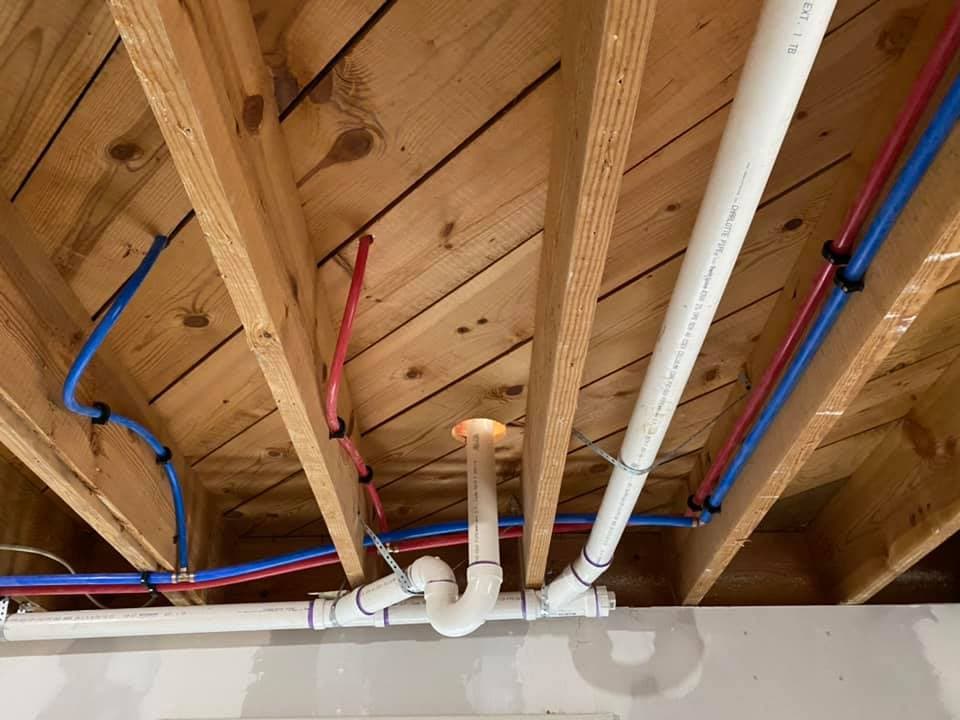
- ▸Pipe material — PEX is generally more affordable to install; copper costs more but some homeowners prefer it
- ▸Slab vs. crawlspace vs. two-story — how accessible your pipes are has a big impact on labor
- ▸Wall access & finishes — opening and patching drywall, tile, or stucco adds to the job
- ▸Permits & inspection — proper repipes are permitted and inspected, which is a feature, not a corner to cut
Why we don’t quote a flat price online
You’ll see national “average” repipe numbers online, but they’re close to meaningless for your house. A compact single-story home on a slab and a two-story home with multiple bathrooms can differ enormously. Anyone giving you a firm price without seeing the home is guessing — and that guess usually gets “revised” once work starts.
Our approach is a free, in-person assessment and a written, upfront quote. You’ll know the real number before any work begins, and we won’t start until you’ve approved it.
PEX vs. copper: how it affects price
PEX is flexible, resists scale and corrosion well (a real advantage in our hard water), and is typically faster and less expensive to install. Copper is rigid, long-proven, and generally costs more in both material and labor. Both are excellent when installed correctly; we’ll walk you through the trade-offs for your home rather than pushing one.
Signs you may actually need a repipe
- ▸Recurring pinhole leaks or slab leaks — fixing them one at a time starts costing more than replacing the system
- ▸Galvanized steel pipes — common in older homes and prone to internal corrosion and pressure loss
- ▸Discolored or rusty water, especially on first draw in the morning
- ▸Chronically low water pressure throughout the house
- ▸Water that takes forever to run clear or has a metallic taste
Is it worth it?
If you’re chasing repeated leaks in aging or galvanized plumbing, a repipe usually pays for itself in stopped damage, restored pressure, cleaner water, and peace of mind — and it’s a strong selling point if you ever list the home. If you’ve only had one isolated issue, a targeted repair may be all you need. We’ll tell you honestly which camp you’re in.
Frequently Asked Questions
How much does it cost to repipe a house in Riverside County?
It varies widely based on home size, number of bathrooms, pipe material (PEX vs. copper), and how accessible the pipes are. That’s why we give a free on-site assessment and a firm written quote rather than a vague online figure — so the price you’re told is the price you pay.
How long does a whole-home repipe take?
Many homes are completed in a day or two, depending on size and access. We patch the wall openings and keep disruption to a minimum.
PEX or copper — which is better?
Both are excellent when installed properly. PEX is flexible, resists scale well in hard water, and usually costs less to install; copper is rigid and long-proven but costs more. We’ll explain the trade-offs for your specific home.