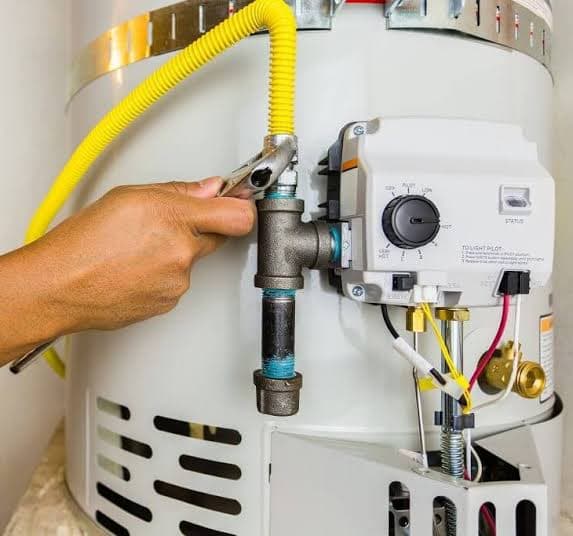
When it’s time to replace a water heater, the first decision is the big one: stick with a traditional tank, or switch to tankless? Both are good choices in the right home — the “best” one depends on your household, your budget, and, here in San Jacinto, your water.
Here’s a straight comparison of how they differ, what each costs you over time, and the local hard-water factor most online guides leave out.
How they actually work
A traditional tank heater keeps 40–50+ gallons of water hot around the clock so it’s ready when you need it. A tankless (or “on-demand”) unit heats water only as it flows through, so it never runs out — but it can only heat so many gallons per minute at once.
Upfront cost vs. long-term cost
Tank heaters cost less to buy and install, which is why they’re still the most common choice. Tankless units cost more upfront — both the equipment and the installation, which sometimes needs gas-line or venting upgrades — but they’re more energy-efficient month to month and typically last longer.
The rule of thumb: a tank is the lower-upfront-cost option; tankless is the lower-lifetime-cost option if you stay in the home long enough to earn back the difference.
See water heater installation options →Lifespan
A well-maintained tank heater generally lasts about 8–12 years. A tankless unit often lasts 20 years or more. That longer lifespan is a big part of the long-term value argument for tankless — provided it’s maintained.
Hot-water capacity
- ▸Tank: delivers a large volume at once (great for back-to-back showers + laundry), but once the tank is drained you wait for it to reheat
- ▸Tankless: never “runs out,” but has a flow-rate limit — very high simultaneous demand can outpace a single unit
- ▸Big household with heavy overlapping use? Sizing matters more than the tank-vs-tankless label
The San Jacinto hard-water factor (important)
This is where local advice beats generic advice. Our inland water is hard, and minerals are tough on both types — but in different ways. Tank heaters collect sediment at the bottom and need regular flushing. Tankless units develop scale on the heat exchanger and need periodic descaling to keep working efficiently and stay under warranty.
Bottom line: whichever you choose, hard water means maintenance isn’t optional here. Many local homeowners pair a new heater with a water softener to protect the investment and cut down on descaling and sediment.
Learn about water softeners →So which should you pick?
Choose a tank if you want the lowest upfront cost, have very high simultaneous hot-water demand, or aren’t planning to stay in the home long. Choose tankless if you want endless hot water, long lifespan, lower energy bills, and to reclaim the floor space — and you’re comfortable with the higher install cost.
There’s no universally “right” answer, which is exactly why we walk every customer through it based on their actual home and usage before quoting. We install and service both.
Frequently Asked Questions
Is a tankless water heater worth it in San Jacinto?
For many homeowners, yes — endless hot water, a 20+ year lifespan, and lower energy bills. The trade-offs are a higher upfront cost and the need for periodic descaling because of our hard water. We’ll help you weigh it against a tank based on your household.
Does hard water ruin tankless water heaters?
It won’t ruin one that’s maintained. Hard water causes scale on the heat exchanger, so tankless units need periodic descaling. Many local homeowners add a water softener to reduce buildup and protect the unit.
Can you replace a tank water heater with a tankless one?
Yes. It sometimes requires gas-line, electrical, or venting adjustments depending on the unit and your home. We assess that during the free estimate so there are no surprises.