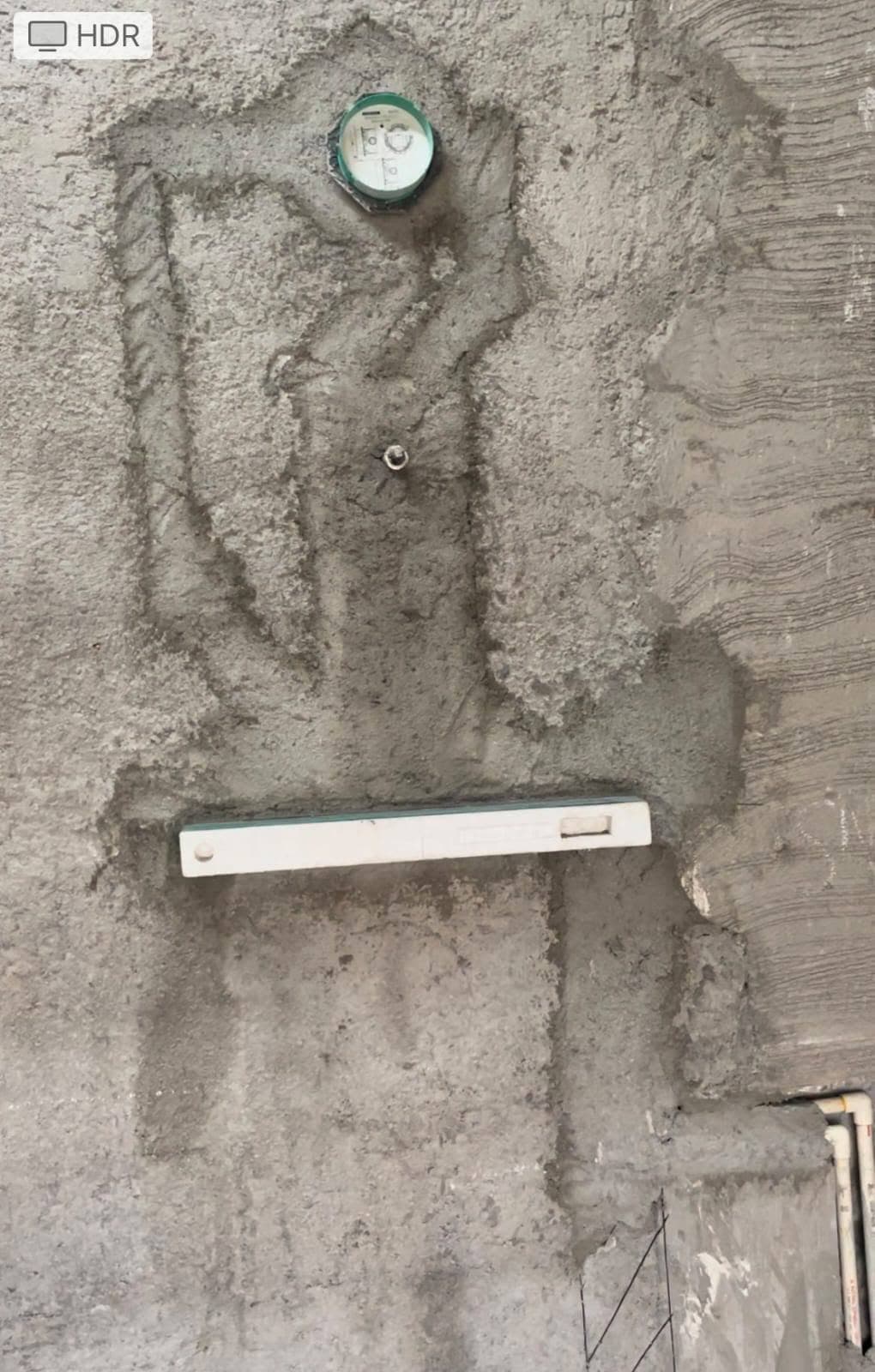
Kitchen and bathroom remodels are consistently the most popular home improvement projects in Southern California — and in both, the plumbing behind the walls is the part that decides whether the project stays on schedule or stalls halfway through. Cabinets and tile are the part everyone sees; the rough-in is the part that has to be right before any of that goes in.
Here’s what a plumber needs to know before demo day, and where remodel plumbing costs actually come from.
Are you keeping the layout, or moving fixtures?
This is the single biggest cost driver in a remodel. Keeping your sink, toilet, and tub in their existing locations means reconnecting to plumbing that’s already there. Moving a fixture — sliding an island sink to a new wall, relocating a toilet, adding a second sink — means running new supply and drain lines, which is a meaningfully bigger job than a like-for-like swap.
What a kitchen remodel needs from a plumber
- ▸Sink and faucet rough-in for the new layout, including supply lines and shutoff valves
- ▸Dishwasher supply and drain connection
- ▸Garbage disposal wiring and drain tie-in
- ▸Gas or water line for a pot filler, if you’re adding one
- ▸Ice maker line for a new refrigerator location
What a bathroom remodel needs from a plumber
- ▸Supply and drain rough-in for the tub, shower, toilet, and vanity
- ▸Shower pan and drain installation before tile goes down
- ▸Moving or adding a toilet flange if the layout changes
- ▸Rough-in for any new fixtures — a second vanity sink, a freestanding tub, a bidet
Old pipes behind the wall — deal with them now, not later
A remodel is the one time your walls are already open, which makes it the cheapest opportunity you’ll have to address aging galvanized pipe, corroded fittings, or a water heater that’s near the end of its life. Discovering a plumbing problem after the tile is set means paying to open the wall again.
Check whether your home needs a repipe →Permits — not optional, and not just paperwork
Any plumbing rough-in change requires a permit and inspection from the local building department. This protects you: an inspector verifies the rough-in before it’s sealed behind drywall and tile, catching a bad connection while it’s still cheap and easy to fix. Skipping the permit to save time can turn into a real problem when you go to sell the house.
A simple rule for sequencing
Plumbing rough-in happens before drywall, before tile, and before cabinets. Bringing your plumber in during the planning phase — not after demo has already started — avoids the most common and most expensive remodel mistake: finding out a layout change isn’t straightforward after the walls are already open.
Frequently Asked Questions
Does moving a sink or toilet during a remodel cost a lot more?
Yes, generally. Keeping fixtures in their existing locations means reconnecting to plumbing that’s already there. Moving a fixture requires running new supply and drain lines, which is a meaningfully bigger job than a like-for-like replacement.
Should I replace old pipes during a remodel even if they aren’t leaking yet?
It’s worth strongly considering. A remodel is the cheapest opportunity you’ll have to address aging or corroded pipe, since the walls are already open. Waiting until they fail means paying to open the wall again later.
Do I need a permit for remodel plumbing work?
Yes, in most California jurisdictions any plumbing rough-in change requires a permit and inspection. This ensures the work is verified before it’s sealed behind drywall and tile, and matters if you ever sell the home.